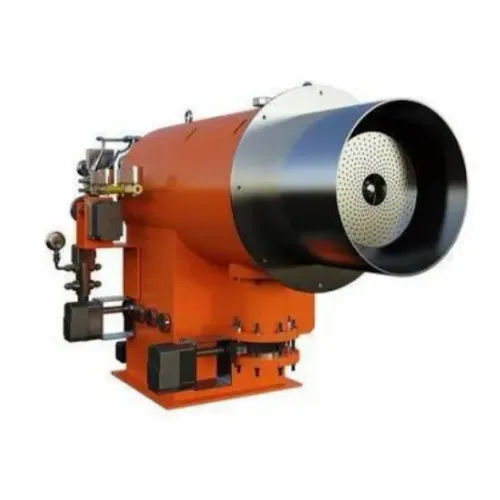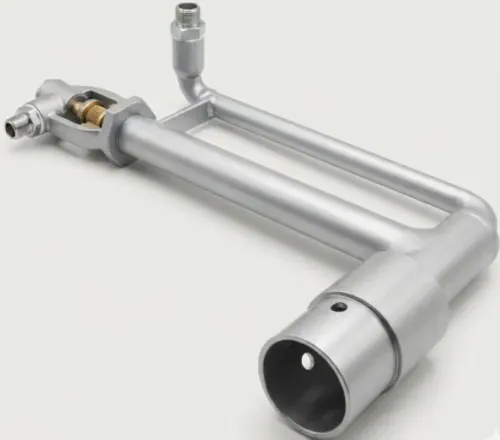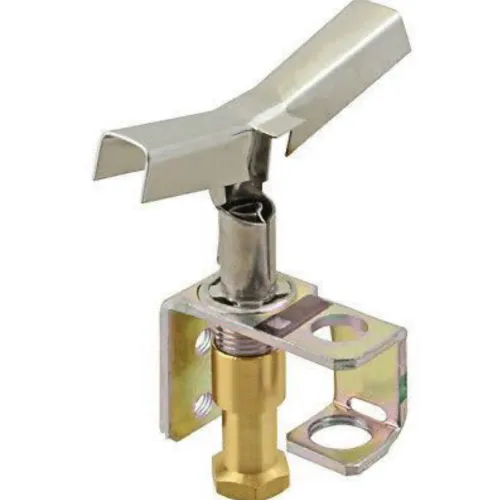


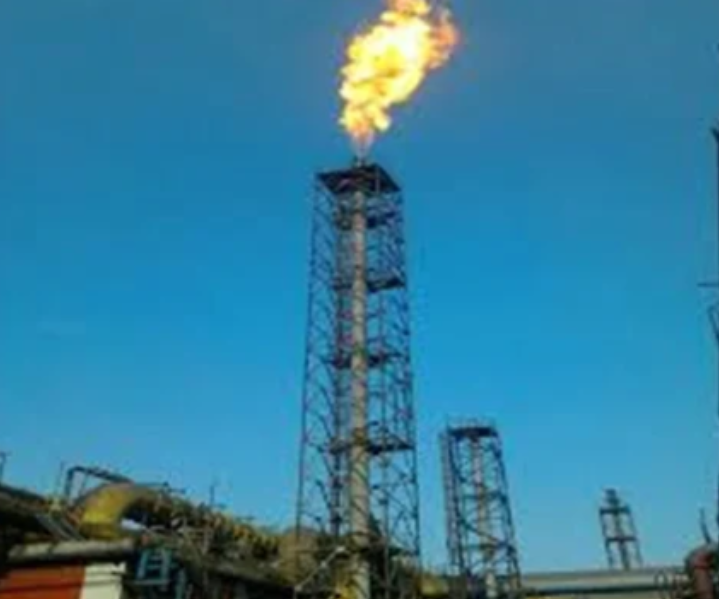
A gas flare system is only as effective as the way it is commissioned. Even the most advanced flare equipment can experience performance issues if it is not properly tested, calibrated, and integrated with the plant before operation. This is why professional Gas Flare Commissioning Services play a critical role in ensuring industrial safety, operational efficiency, and regulatory compliance.
Industries across Pune and Maharashtra, including biogas plants, sewage treatment facilities, chemical processing units, and waste management projects, rely on correctly commissioned flare systems to handle combustible gases safely while maintaining uninterrupted operations.
Commissioning is much more than switching on newly installed equipment. It is a systematic process that verifies every component of the flare system, confirms safe operation under different conditions, and prepares the equipment for long-term performance.
What Does Gas Flare Commissioning Include?
A complete commissioning process generally involves several technical inspections and performance checks before the system is handed over for regular use.
Typical commissioning activities include:
- Inspection of mechanical installation
- Verification of piping connections
- Ignition system testing
- Pilot burner performance checks
- Flame monitoring verification
- Control panel inspection
- Safety interlock testing
- Pressure and flow validation
- Trial operation under actual process conditions
Every step ensures the flare system performs exactly as designed and responds correctly during normal as well as emergency operating situations.
Why Proper Commissioning Matters
Industrial flare systems are installed to dispose of combustible gases safely. If commissioning is incomplete or improperly executed, several operational risks may arise.
Some common issues include:
- Ignition failures
- Flame instability
- High fuel consumption
- Excessive smoke generation
- Incomplete combustion
- Frequent shutdowns
- Unexpected maintenance requirements
These problems not only increase operational costs but can also affect plant safety and environmental compliance.
A professionally commissioned flare system minimizes these risks and provides greater confidence before the plant enters full-scale operation.
Industries That Benefit from Commissioning Services
Gas flare commissioning is essential across many industrial sectors where combustible gases are generated during manufacturing or treatment processes.
These include:
- Biogas production facilities
- Sewage Treatment Plants (STPs)
- Effluent Treatment Plants (ETPs)
- Chemical manufacturing units
- Petrochemical industries
- Oil and gas facilities
- Paper mills
- Steel processing plants
- Pyrolysis projects
- Waste recycling industries
Each industry has different process requirements, making customized commissioning an important part of successful project completion.
Key Performance Checks During Commissioning
Professional engineers evaluate multiple parameters before approving a flare system for continuous operation.
Some of the most important checks include:
Stable Flame Performance
The burner should maintain a consistent flame even when gas flow varies.
Reliable Ignition
Automatic ignition systems must respond quickly and consistently whenever required.
Safety Device Verification
Emergency shutdown systems, flame detectors, alarms, and interlocks should function without delay.
Combustion Efficiency
Proper combustion reduces methane emissions, minimizes smoke formation, and improves environmental performance.
Instrument Calibration
Sensors, pressure gauges, and monitoring devices must provide accurate readings for safe plant operation.
These technical evaluations help ensure the entire flare package performs according to design specifications.
Why Experienced Engineers Make a Difference
Gas flare commissioning requires knowledge of combustion systems, instrumentation, automation, electrical controls, and industrial safety standards. Every project presents unique operating conditions that demand practical engineering expertise rather than a generic approach.
Experienced commissioning teams can identify installation errors early, recommend adjustments, optimize burner settings, and verify system reliability before commercial operation begins.
This proactive approach helps prevent expensive downtime after project completion.
Choosing the Right Commissioning Partner
When evaluating service providers, businesses should look beyond basic installation support.
Consider factors such as:
- Experience with industrial flare systems
- Knowledge of multiple industries
- Availability of on-site technical support
- Structured testing procedures
- Documentation and commissioning reports
- Compliance with applicable industrial standards
- Capability to troubleshoot unexpected issues
Selecting a technically capable partner often reduces future maintenance expenses while improving overall plant reliability.
Supporting Industrial Projects with Technical Expertise
Many EPC contractors, project consultants, and plant operators in Pune prefer working with specialized engineering companies that understand complete flare system integration instead of focusing only on equipment supply.
Super Fabtech India is among the manufacturers supporting industrial projects with engineering expertise covering design, fabrication, commissioning support, and process equipment. Information about its capabilities is also available through the company's website, superfabtechindia.org, allowing project teams to understand the available technical solutions before implementation.
A properly commissioned flare system delivers long-term operational stability, protects valuable equipment, improves combustion performance, and enhances workplace safety. Investing in professional commissioning services from the beginning helps industries achieve reliable performance throughout the life of the plant.