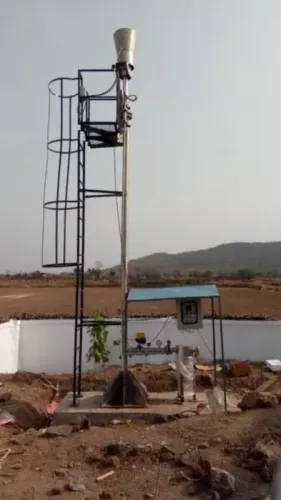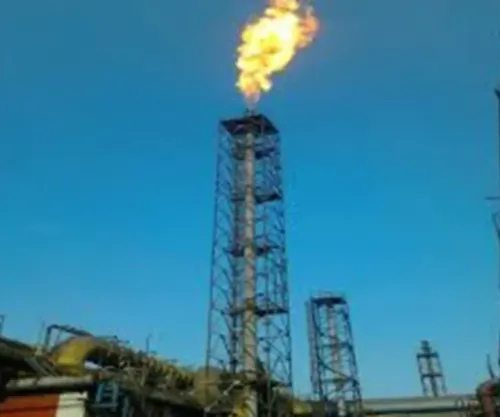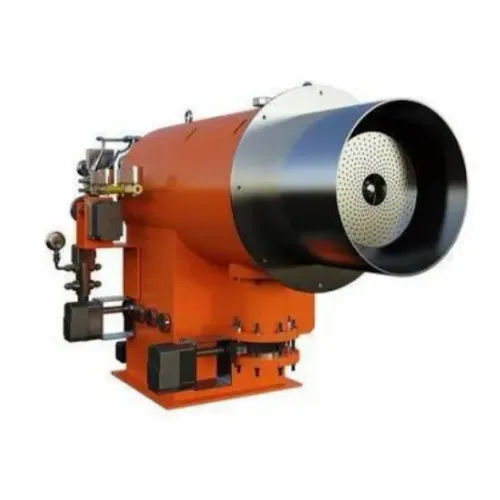


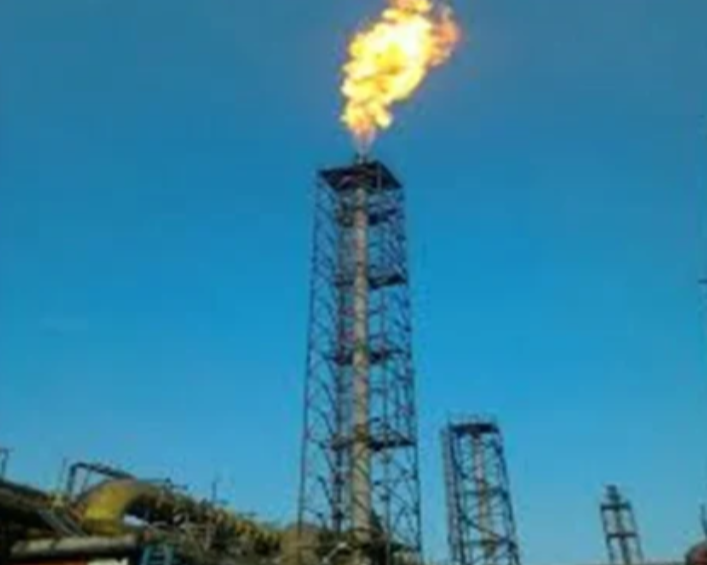
A flare system is a critical safety asset in industries that generate combustible gases. Whether installed in a biogas plant, chemical processing unit, STP, ETP, or petrochemical facility, its performance depends on regular inspection and maintenance. Ignoring scheduled servicing can lead to ignition failures, unstable flames, higher emissions, and unexpected plant shutdowns.
Professional Flare System Maintenance Services help industries maintain consistent performance while reducing operational risks. For industrial facilities in Pune and across Maharashtra, preventive maintenance has become an essential part of ensuring uninterrupted plant operations and meeting environmental compliance requirements.
Unlike emergency repairs, planned maintenance identifies small issues before they develop into costly failures. This proactive approach extends equipment life, improves combustion efficiency, and keeps maintenance expenses under control.
Why Regular Flare System Maintenance Is Essential
Industrial flare systems operate under demanding conditions. Continuous exposure to heat, weather, corrosive gases, and fluctuating process loads gradually affects system components.
Routine maintenance helps address issues such as:
- Burner wear
- Pilot ignition problems
- Corrosion on structural parts
- Damaged flame sensors
- Gas leakage
- Blocked nozzles
- Electrical faults
- Instrument calibration errors
Resolving these issues early prevents disruptions that could affect the entire production process.
Key Components That Require Periodic Inspection
A comprehensive maintenance program covers much more than the flare burner itself. Every connected system plays a role in safe operation.
Important inspection areas include:
- Pilot burner assembly
- Ignition systems
- Flame detection devices
- Control panels
- Pressure regulators
- Gas pipelines
- Safety valves
- Structural supports
- Instrumentation
- Electrical wiring
Each component should be evaluated according to the operating conditions and maintenance schedule of the plant.
Signs Your Flare System Needs Immediate Attention
Many flare systems show warning signs before a major failure occurs. Recognizing these symptoms can help maintenance teams take timely action.
Common indicators include:
- Difficulty maintaining a stable flame
- Frequent ignition failures
- Excessive smoke during operation
- Increased fuel consumption
- Unusual noises
- Fluctuating gas pressure
- Alarm system activation
- Unexpected shutdowns
Ignoring these signs may increase repair costs and compromise plant safety.
Preventive Maintenance Offers Long-Term Benefits
Preventive maintenance focuses on planned inspections rather than reacting to breakdowns.
Some key advantages include:
- Reduced downtime
- Improved combustion performance
- Better fuel efficiency
- Lower repair expenses
- Increased equipment lifespan
- Enhanced worker safety
- Better compliance with environmental regulations
For facilities operating continuously, preventive servicing is often far more economical than emergency repairs.
Maintenance Frequency Depends on Plant Operations
There is no universal maintenance schedule for every flare system. Service intervals depend on several factors, including:
- Type of gas being flared
- Operating hours
- Environmental conditions
- Process pressure
- Equipment age
- Manufacturer recommendations
Facilities with continuous operations generally require more frequent inspections than plants with intermittent flare usage.
Importance of Qualified Service Engineers
Flare systems combine mechanical, electrical, combustion, and automation technologies. Effective maintenance requires engineers who understand how these systems work together.
Experienced maintenance teams can:
- Diagnose operational issues quickly
- Calibrate instruments accurately
- Test safety interlocks
- Optimize burner performance
- Recommend replacement of worn components before failure occurs
This technical expertise minimizes the risk of recurring problems.
Building a Reliable Maintenance Strategy
Rather than waiting for equipment failure, plant managers should establish a structured maintenance plan that includes:
- Scheduled inspections
- Component cleaning
- Performance testing
- Calibration of instruments
- Safety system verification
- Documentation of maintenance activities
Keeping detailed service records also helps identify recurring issues and supports future planning.
Industrial facilities in Pune increasingly rely on specialized engineering companies for long-term maintenance support instead of addressing problems only after breakdowns occur. Super Fabtech India provides engineering solutions for gas flare systems and industrial process equipment, with technical information available through superfabtechindia.org for organizations planning maintenance or system upgrades.
Consistent maintenance is one of the most effective ways to improve flare reliability, reduce operating costs, and maintain safe plant performance over many years.